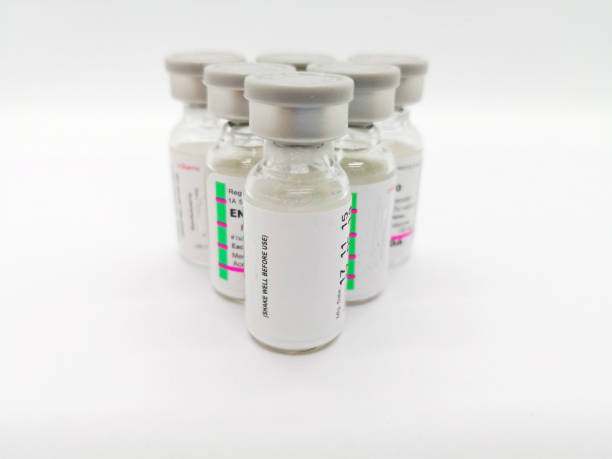


Quick Answer: Semaglutide is a GLP-1 receptor agonist peptide that mimics the action of the natural glucagon-like peptide-1 hormone. In research it is studied for its effects on appetite regulation, glucose metabolism, and body weight reduction. Clinical trials have produced average weight reductions of 14 to 17% of body weight over 68 weeks. It is the active compound in pharmaceutical products Ozempic and Wegovy, sold for research as raw peptide.
The peptide weight loss research space changed significantly in 2021. That year, the STEP 1 trial results published in the New England Journal of Medicine showed average body weight reductions of 14.9% in non-diabetic adults taking semaglutide over 68 weeks. For context, that outcome matched what bariatric surgeons were producing surgically a decade earlier.
The result landed semaglutide at the center of metabolic research conversations that had been circling the same marginal findings for years. For researchers studying GLP-1 receptor signaling, appetite neuroscience, or metabolic disease models, it became a reference compound almost immediately.
This article covers the mechanism, the key clinical data, and what researchers should know about sourcing semaglutide peptide at verified purity for experimental work.
What Type of Peptide Is Semaglutide?
Semaglutide is a glucagon-like peptide-1 (GLP-1) receptor agonist. GLP-1 is an incretin hormone produced naturally in intestinal L-cells in response to food intake. It signals the pancreas to secrete insulin, suppresses glucagon, slows gastric emptying, and crucially, crosses into the central nervous system where it acts on hypothalamic neurons to reduce appetite.
The natural GLP-1 hormone has a half-life of roughly 2 minutes due to rapid degradation by the DPP-4 enzyme. Semaglutide was engineered to resist that degradation. Structural modifications include substitution of alanine with aminoisobutyric acid at position 8 and attachment of a C18 fatty acid chain via a linker that enables albumin binding. This combination extends the half-life to approximately 7 days.
That extended half-life is what makes weekly dosing viable in clinical protocols and what makes semaglutide mechanistically different from earlier GLP-1 agonists like exenatide, which required twice-daily administration.
How Does Semaglutide Affect Body Weight? The Mechanisms
The weight-reducing effects of semaglutide operate through multiple simultaneous pathways, which is part of why the clinical outcomes are stronger than single-mechanism interventions.
Hypothalamic Appetite Suppression
GLP-1 receptors are expressed in the arcuate nucleus of the hypothalamus, the region responsible for integrating hunger and satiety signals. Semaglutide crosses the blood-brain barrier and activates these receptors, reducing the neural drive to eat. Research using fMRI has shown that semaglutide reduces the activation of food-reward circuits in the brain in response to high-calorie food cues, a finding that goes beyond simple appetite suppression into the motivational pathways of eating behavior.
Delayed Gastric Emptying
Semaglutide slows the rate at which the stomach empties its contents into the small intestine. This prolongs the sensation of fullness after meals and reduces the postprandial glucose spike that drives insulin secretion. The combination of reduced appetite and slower gastric emptying produces a consistent reduction in caloric intake that, unlike caloric restriction alone, does not produce a proportional increase in hunger-drive compensation.
Pancreatic Beta-Cell Effects
In glucose metabolism research, semaglutide is studied for its glucose-dependent insulin secretagogue properties. It stimulates insulin release only when blood glucose is elevated, which reduces hypoglycemia risk compared to sulfonylureas. It also suppresses glucagon secretion from alpha cells, further reducing hepatic glucose output. Research in type 2 diabetes models shows improvements in beta-cell function with sustained use, suggesting a potentially disease-modifying role beyond simple glucose control.
Key Clinical Trials: What the Data Shows
The STEP program (Semaglutide Treatment Effect in People with Obesity) is the most comprehensive clinical dataset on semaglutide for weight management:
STEP 1 (2021, NEJM): 803 participants receiving weekly subcutaneous semaglutide 2.4 mg lost an average of 14.9% of body weight versus 2.4% in the placebo group over 68 weeks. 86.4% of participants in the treatment arm lost 5% or more of body weight.
STEP 2 (2021, Lancet): Participants with type 2 diabetes showed 9.6% average weight loss on semaglutide 2.4 mg versus 3.4% on placebo. The lower effect in this population is consistent with the known attenuation of GLP-1 agonist effects in insulin-resistant states.
STEP 4 (2021, JAMA): This trial examined what happens when semaglutide is discontinued. Participants who stopped the drug at week 20 and switched to placebo regained two-thirds of their lost weight by week 68. The finding is significant for researchers studying weight maintenance mechanisms and the chronic nature of obesity as a biological condition.
The cardiovascular data is worth noting as well. The SELECT trial, published in the New England Journal of Medicine in 2023, showed a 20% reduction in major adverse cardiovascular events in adults with obesity and established cardiovascular disease on semaglutide versus placebo. This extended the research interest in the compound well beyond metabolic researchers into cardiovascular biology.
Semaglutide vs. Tirzepatide: A Research Comparison
Tirzepatide is a dual GIP/GLP-1 receptor agonist that was approved by the FDA in 2023 for weight management under the brand name Zepbound. Direct comparison data from the SURMOUNT-5 trial showed tirzepatide produced approximately 47% greater weight loss than semaglutide at 72 weeks.
This does not make semaglutide a lesser research subject. The mechanisms differ in ways that are scientifically interesting. Semaglutide’s GLP-1 selective action is useful for researchers who want to isolate GLP-1 pathway contributions to outcomes. Tirzepatide’s dual agonism makes it harder to attribute effects to either receptor pathway independently.
Both compounds are available from NEXA for comparative research. The choice between them should follow the research question, not assumed superiority.
Sourcing Semaglutide Peptide for Research: What Matters
Semaglutide is structurally complex relative to many research peptides. It has a molecular weight of approximately 4,114 Da and contains the fatty acid modification that is critical to its pharmacokinetic profile. Synthesis errors or truncated sequences are harder to detect visually and have a significant impact on receptor binding affinity.
For research validity, the minimum documentation required from any supplier includes:
Sequence-verified HPLC chromatogram showing the main peak at the correct retention time and purity above 98%.
Mass spectrometry data confirming the molecular weight matches the expected value of approximately 4,114 Da.
Fatty acid modification confirmation as part of the MS profile, since the linker-fatty acid chain is a structural component, not just a tag.
NEXA’s semaglutide peptide is manufactured to 99%+ purity with full CoA documentation available. For researchers sourcing compounds for multi-arm studies, same-day dispatch maintains consistency across batch orders.
Frequently Asked Questions
Q: What is semaglutide peptide used for in research?
Semaglutide is used in research studying GLP-1 receptor signaling, metabolic disease, obesity neuroscience, appetite regulation, cardiovascular risk, and beta-cell function. It is the research-grade form of the active compound in Ozempic and Wegovy.
Q: Is semaglutide a peptide or a drug?
Semaglutide is both. As a chemical class, it is a peptide, specifically a modified GLP-1 receptor agonist with a fatty acid conjugation. As a commercial product, it is a pharmaceutical drug. Research suppliers sell the raw peptide compound for experimental use, not as a pharmaceutical product.
Q: How is semaglutide different from natural GLP-1?
Natural GLP-1 has a half-life of roughly 2 minutes due to DPP-4 enzyme degradation. Semaglutide resists that degradation through amino acid substitution at position 8 and albumin-binding fatty acid conjugation, extending its half-life to approximately 7 days. This makes it viable for weekly dosing in research protocols where natural GLP-1 would require continuous infusion.
Q: What does peptide weight loss research typically study?
Peptide weight loss research typically examines central appetite suppression mechanisms, gut-brain axis signaling, gastric motility effects, adipose tissue metabolism, and the reversibility of weight loss following peptide discontinuation. Semaglutide is among the most studied compounds in this field due to the robustness of clinical data available.
Q: Can semaglutide peptide be combined with other compounds in research?
Yes. Several research groups study semaglutide in combination with cagrilintide (an amylin analogue) because the two compounds target complementary appetite pathways. NEXA supplies a Cagrilintide + Semaglutide blend product for researchers running combination studies.