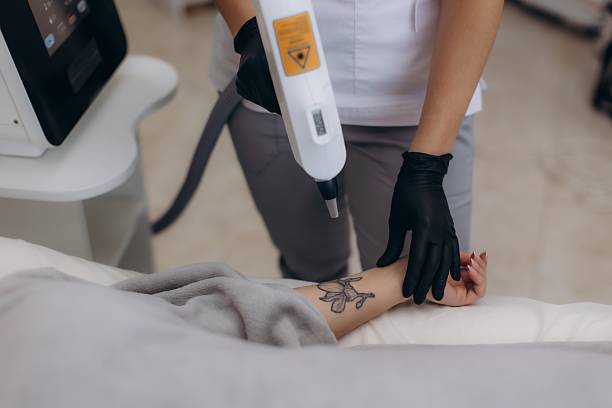


If you have ever searched for tattoo removal options, you have likely come across PicoWay laser tattoo removal as one of the most recommended treatments available today. This technology has become a go to choice for both patients and providers because of how effectively it breaks down ink particles while minimizing the risk to surrounding skin.
What Is PicoWay Laser Tattoo Removal?
PicoWay is a picosecond laser system, meaning it delivers energy in ultra short pulses measured in trillionths of a second. This is faster than older nanosecond lasers, which release energy in billionths of a second. The shorter pulse duration allows PicoWay to shatter tattoo ink into much smaller particles using a photomechanical effect rather than relying primarily on heat. This matters because it reduces the risk of burns, scarring, and changes in skin pigmentation that were more common with earlier tattoo removal lasers.
How Is PicoWay Different From Older Tattoo Removal Lasers?
Older Q switched lasers work mainly through a photothermal process, heating the ink to break it apart, which can also generate excess heat in the surrounding tissue. PicoWay’s picosecond technology relies more on a mechanical shattering effect, breaking ink into finer fragments with less collateral heat damage. This generally translates to fewer treatment sessions, less discomfort, and a lower risk of side effects, especially for people with darker skin tones who are more prone to pigmentation issues from heat based treatments.
How Does the Laser Actually Break Down Tattoo Ink?
When the laser energy reaches the ink particles embedded in the skin, the rapid pulse creates a pressure wave that fractures the ink into tiny fragments. Once broken down, these fragments are small enough for the body’s immune system, specifically the lymphatic system, to gradually clear them away over the following weeks. This is why tattoo removal is a gradual process rather than something resolved in a single session, since the body needs time between treatments to process and remove the shattered ink.
What Colors of Ink Can PicoWay Treat?
One of the biggest advantages of the PicoWay system is its ability to treat a wide range of ink colors using different wavelengths. While black ink is generally the easiest to treat because it absorbs most laser wavelengths efficiently, PicoWay’s additional wavelengths allow it to also address more stubborn colors such as blue, green, and even some difficult colors that older lasers struggled to clear effectively.
What Does a Treatment Session Feel Like?
Most patients describe the sensation as similar to a rubber band snapping against the skin repeatedly. A topical numbing cream is often applied beforehand to reduce discomfort, and a cooling device may be used during the session to make the experience more tolerable. Treatment time depends on the size of the tattoo, but most sessions take anywhere from a few minutes for small tattoos to thirty minutes or more for larger pieces.
How Many Sessions Will You Need?
The number of sessions required depends on several factors, including the size, color, age, and depth of the tattoo, as well as individual skin characteristics. Many people need anywhere from four to ten sessions, though some tattoos, especially those with multiple colors or dense ink, may require more. A consultation with an experienced provider is the best way to get a realistic estimate based on your specific tattoo.
How Much Time Should You Leave Between Sessions?
Sessions are typically spaced six to eight weeks apart to give the body adequate time to clear the fragmented ink and allow the skin to heal between treatments. Rushing the process by scheduling sessions too close together can increase the risk of skin damage without necessarily speeding up the overall removal timeline.
What Does Aftercare Look Like?
After each session, the treated area may appear red, swollen, or slightly blistered, similar to a mild burn. Keeping the area clean, applying recommended ointments, and avoiding direct sun exposure are important steps during healing. Most people can resume normal activities quickly, though it is important to follow the specific aftercare instructions provided by your treatment provider to support proper healing and reduce the risk of complications.
Is PicoWay Safe for All Skin Tones?
One of the reasons PicoWay has gained popularity is its improved safety profile across a broader range of skin tones compared to older laser technology. Because it relies less on heat and more on a mechanical breakdown of ink, there is generally a reduced risk of hyperpigmentation or hypopigmentation, although individual results can still vary, which is why a thorough skin assessment before treatment is important.
Why Provider Experience Matters
Because tattoo removal involves precise control over laser settings based on ink color, depth, and skin type, the experience and training of the provider plays a major role in both safety and results. Working with a provider who specializes in PicoWay laser tattoo removal ensures that treatment settings are properly customized to your specific tattoo and skin characteristics rather than using a generic approach.
Final Thoughts
PicoWay laser tattoo removal has changed what people can expect from the tattoo removal process, offering faster results, broader color treatment capability, and a stronger safety profile across different skin tones compared to older technology. While the process still requires patience and multiple sessions spaced over several months, choosing an experienced provider and following proper aftercare can make a meaningful difference in both the speed and quality of your results.