


Trauma can leave a lasting impact on your thoughts, emotions, and daily life, making even simple tasks feel overwhelming. It often affects how you see yourself and others, especially when trust has been broken. The journey of healing may seem difficult at first, but with the right approach, support, and mindset, it is possible to regain emotional balance and inner strength. This article explains easy and practical ways to support your healing journey and build a healthier future.
What Trauma Really Feels Like
Trauma is more than just a painful memory because it can affect how your brain and body respond to stress. People may experience fear, confusion, sadness, or even numbness long after the event has passed. These feelings can appear suddenly and may interfere with relationships, work, and overall well-being.
Starting your journey of trauma recovery means understanding that your reactions are normal responses to difficult experiences. When you accept your emotions instead of avoiding them, you create space for healing and growth.
Signs You May Need Healing
Many people do not realize they are dealing with trauma because the signs can be subtle or misunderstood. You may notice changes in mood, difficulty trusting others, or feeling constantly on edge. Some individuals avoid situations that remind them of past events, while others struggle with overthinking or emotional exhaustion.
Recognizing these signs is important because it allows you to take the first step toward improving your mental and emotional health.
Effective Strategies to Support Recovery
1. Create a Safe Environment
Feeling safe is the foundation of healing because trauma often disrupts your sense of security. Surround yourself with people who respect your boundaries and make you feel comfortable. A calm and supportive environment can help reduce stress and promote emotional stability.
2. Express Your Emotions
Keeping emotions inside can increase stress and delay healing, so finding healthy ways to express yourself is essential. Talking to a trusted friend, writing your thoughts, or engaging in creative activities can help release emotional tension and provide clarity.
3. Focus on the Present Moment
Trauma can keep your mind stuck in the past, but focusing on the present helps you regain control. Mindfulness techniques such as deep breathing or simple awareness exercises can help you stay grounded and reduce anxiety.
4. Seek Specialized Therapy
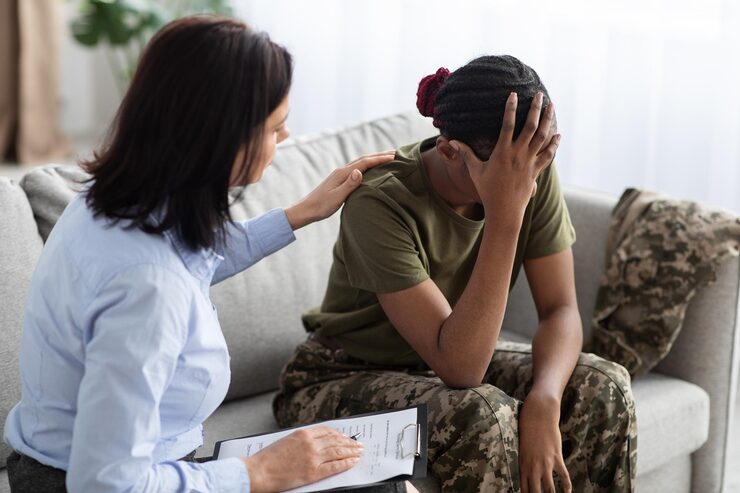
When trauma is linked to betrayal or broken trust, professional help becomes even more important. Many individuals find relief through betrayal trauma therapy, which is designed to address emotional pain and rebuild confidence in relationships. This approach helps you understand your experiences and develop healthier patterns.
5. Build a Healthy Routine
A consistent daily routine can create a sense of stability and predictability. Simple habits like regular sleep, balanced meals, and physical activity can improve both mental and physical health. Over time, these habits support emotional healing and resilience.
Importance of Self-Care in Healing
Self-care is not just about relaxation but also about taking actions that support your mental well-being. This can include setting limits, taking breaks when needed, and engaging in activities that bring peace and happiness. When you prioritize your needs, you strengthen your ability to cope with challenges.
How Relationships Are Affected by Trauma
Trauma can change how you interact with others, often leading to trust issues or fear of vulnerability. You may find it difficult to open up or feel safe in relationships. Healing involves rebuilding trust slowly and learning to communicate your needs clearly.
Healthy relationships can play a positive role in recovery by offering understanding, patience, and encouragement. Over time, these connections can help restore confidence and emotional security.
Common Mistakes to Avoid
Many people try to ignore their pain or rush the healing process, which can lead to more stress and frustration. Avoid comparing your progress to others because every journey is different. It is also important not to isolate yourself, as support is a key part of recovery.
Being patient and allowing yourself to heal at your own pace can make the process more effective and sustainable.
Growth After Trauma
Although trauma is painful, it can also lead to personal growth and self-discovery. Many individuals become more aware of their emotions, develop stronger boundaries, and build resilience over time. Healing allows you to create a new sense of purpose and a deeper connection with yourself.
This growth does not mean forgetting the past but learning how to move forward with strength and confidence.
Conclusion
Healing from trauma takes time, effort, and support, but it is possible to rebuild your life and feel better again. By understanding your emotions, creating healthy habits, and seeking the right help, you can gradually overcome challenges and regain control. Every step you take toward healing brings you closer to a more balanced and fulfilling life.
FAQ
1. What is the first step in trauma recovery?
The first step is recognizing your experience and allowing yourself to feel and understand your emotions without judgment.
2. How can I rebuild trust after trauma?
Rebuilding trust takes time and involves setting boundaries, communicating openly, and surrounding yourself with supportive people.
3. Is it normal to feel stuck during healing?
Yes, feeling stuck is a common part of the process, but with patience, support, and consistent effort, progress will happen over time.