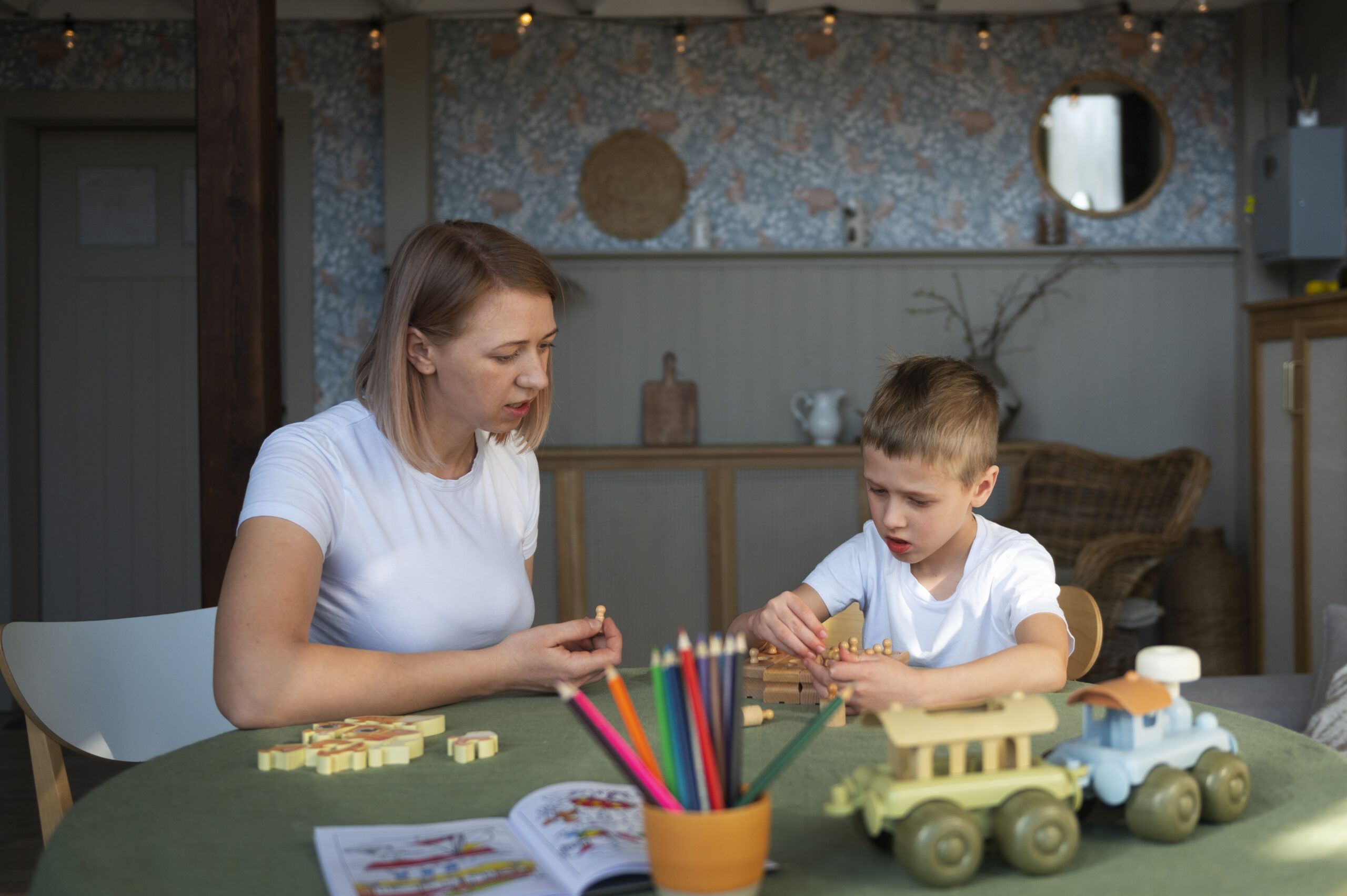


Children on the autism spectrum benefit from environments that encourage growth, understanding, and positive learning experiences. ABA therapy for autism is designed to help children develop communication, behavioral, and social skills that improve daily interactions and independence. Families searching for Autism behavioral therapy Kansas City services often look for programs that combine professional support with compassionate care.
Every child has different strengths and developmental needs. Effective therapy focuses on creating personalized learning experiences that help children build confidence while progressing at a comfortable pace. Through structured support and evidence-based strategies, children can improve their ability to communicate, engage socially, and manage everyday routines.
ABA Therapy for Autism and Social Skill Development
Social interaction can sometimes be challenging for children on the autism spectrum. ABA therapy for autism helps children understand social expectations, recognize emotions, and participate more comfortably in group settings. Therapy sessions are designed to create opportunities for positive interaction and meaningful communication.
Children may practice taking turns, making eye contact, understanding body language, or responding appropriately during conversations. Therapists use supportive teaching methods that encourage gradual progress and help children feel more confident in social environments.
Families looking for Autism behavioral therapy Kansas City programs often value social development because strong social skills support relationships at home, in school, and within the community. Therapy provides consistent guidance that helps children feel more prepared for different social situations.
Encouraging Positive Learning Experiences
Children learn best when they feel motivated and supported. ABA therapy for autism uses positive reinforcement to encourage participation and reward progress. This approach helps children associate learning with positive experiences rather than stress or frustration.
Therapists identify each child’s interests and strengths to create engaging activities that encourage skill development. Structured routines and clear expectations help children feel more secure during therapy sessions. Over time, children become more comfortable trying new tasks and interacting with others.
Autism behavioral therapy Kansas City services often focus on creating supportive environments where children can develop at their own pace. Consistency and encouragement help children build trust and confidence throughout the learning process.
Improving Communication Through Personalized Support
Communication challenges can affect many areas of a child’s daily life. ABA therapy for autism helps children strengthen verbal and nonverbal communication skills in ways that match their developmental level. Some children may learn to express needs using spoken language, while others may develop alternative communication methods.
Therapy often includes exercises that encourage listening, responding to questions, expressing emotions, and understanding social language. Improved communication can reduce frustration and help children engage more comfortably with family members, teachers, and peers.
Families seeking Autism behavioral therapy Kansas City programs often appreciate therapy models that involve parents in communication development. Practicing skills at home reinforces learning and supports continued progress outside of therapy sessions.
Building Independence Through Daily Routines
Independence is an important part of childhood development. ABA therapy for autism helps children practice daily living skills that support confidence and self-sufficiency. Therapy sessions may focus on routines related to dressing, eating, following instructions, or organizing simple tasks.
Children often learn best through repetition and consistency. Therapists provide step-by-step guidance while encouraging children to complete tasks independently over time. These achievements can improve confidence and make daily activities easier for both children and families.
Autism behavioral therapy Kansas City programs that focus on independence help children develop practical skills that support long-term success. Small improvements in routine management can create meaningful changes in a child’s overall development.
Emotional Regulation and Behavioral Support
Children on the autism spectrum may sometimes struggle with emotional regulation or sensory challenges. ABA therapy for autism helps children identify emotions, manage stress, and respond to situations in healthier ways. Therapy provides structured support that encourages calm and positive behavior.
Therapists work to understand the causes of challenging behaviors while teaching coping strategies that support emotional growth. Children may learn relaxation techniques, transition routines, or communication methods that reduce frustration and improve emotional expression.
Families searching for Autism behavioral therapy Kansas City services often value programs that focus on emotional development alongside behavioral support. A balanced approach helps children feel more secure and better prepared for everyday situations.
Family Participation and Long-Term Progress
Family involvement strengthens the effectiveness of ABA therapy for autism. Parents and caregivers help reinforce learned behaviors and create consistency between therapy sessions and home life. Collaboration between families and therapists supports ongoing improvement and realistic goal setting.
Parents may receive guidance on communication techniques, behavior management, and ways to encourage independence at home. This teamwork creates a supportive environment where children can continue practicing important skills throughout daily routines.
Autism behavioral therapy Kansas City programs that encourage family participation often help children make stronger and more consistent progress. When children experience the same supportive approach in different settings, they are more likely to develop lasting skills.
Creating a Supportive Environment for Growth
A calm and encouraging environment can make a major difference in a child’s learning experience. ABA therapy for autism focuses on building trust and creating routines that help children feel comfortable and engaged. Positive reinforcement, patience, and individualized instruction all contribute to successful learning.
Therapy sessions are designed to support gradual development while celebrating progress at every stage. Children who feel supported are often more willing to participate, communicate, and explore new skills.
Families looking for Autism behavioral therapy Kansas City services often seek programs that combine professional expertise with compassionate care. A supportive environment helps children build confidence and develop skills that improve everyday life.
Conclusion
ABA therapy for autism provides structured support that helps children strengthen communication, social interaction, emotional regulation, and independence. Through personalized therapy plans and positive learning experiences, children can develop meaningful skills that support long-term growth.