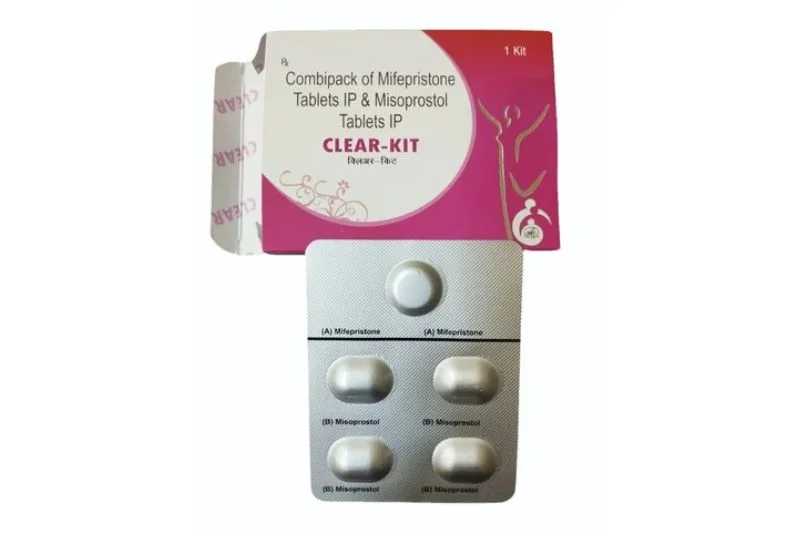


First-trimester termination is not just about the medical procedure; it’s about recovery, informed rights, and planning for future reproductive health. This article walks through recovery expectations, legal and practical rights patients often ask about, and how clinics support ongoing healthcare needs. It also notes common local search phrases people use when they start looking for care, including abortion pills in dubai and abortion pills in abu dhabi.
Recovery and realistic expectations
Recovery after medication abortion varies from person to person. Most people experience cramping and bleeding similar to or heavier than a menstrual period for a few days, with gradual improvement over one to two weeks. Clinics advise on:
- Pain relief options (over-the-counter analgesics, rest).
- Normal bleeding patterns versus signs that require urgent care (soaking through heavy pads, fever, severe pain).
- Emotional reactions and when to seek counselling or peer support.
Follow-up contacts (a phone call, in-person visit, or ultrasound) confirm that the process is complete and screen for rare complications.
Rights, confidentiality, and informed consent
Patients have the right to clear, compassionate information and to make their own decisions about reproductive health. Important rights and safeguards include:
- Informed consent: being told about options, risks, and alternatives.
- Confidentiality: secure medical records and discreet scheduling.
- Access to follow-up care and emergency contacts.
Clinics that emphasize patient rights also provide resources about legal protections and community services that can help with housing, counselling, or practical needs if required.
Planning forward: contraception and reproductive goals
After a termination, a conversation about contraception is standard. Whether someone wants to avoid pregnancy for a time or is considering future pregnancy, clinicians provide unbiased information on methods, timing, and effectiveness. Long-acting reversible contraceptives can be started soon after a medication abortion when clinically appropriate, while short-acting methods are also readily available.
Community resources and support networks
Emotional and social support matters. Clinics often link patients with counsellors, peer groups, and online resources that specialise in recovery and wellbeing. These supports can be especially helpful for people who face stigma or who lack local family support.
Clinics also provide practical information for people who travel for care: how to manage recovery while away from home, when to seek local medical help, and how to arrange discreet follow-up.
Conclusion
A safe first-trimester termination includes clear medical care, respectful treatment of patient rights, and thoughtful aftercare planning. From understanding normal recovery to arranging contraception and emotional support, quality clinics help patients navigate every step. If you’re researching options — whether for abortion pills in dubai or abortion pills in abu dhabi — begin with a confidential consultation at a licensed provider who will explain choices, safety measures, and follow-up tailored to your needs.