

In recent years, more people have turned to natural remedies as a safe and effective way to address common health concerns. Natural remedies often utilize ingredients you already have at home, making them accessible and cost-effective. From treating minor ailments to boosting overall wellness, homemade remedies provide a chemical-free alternative to over-the-counter medications. The key lies in understanding how to combine nature’s offerings to create solutions that work for your needs.
The Basics of Herbal Teas for Healing
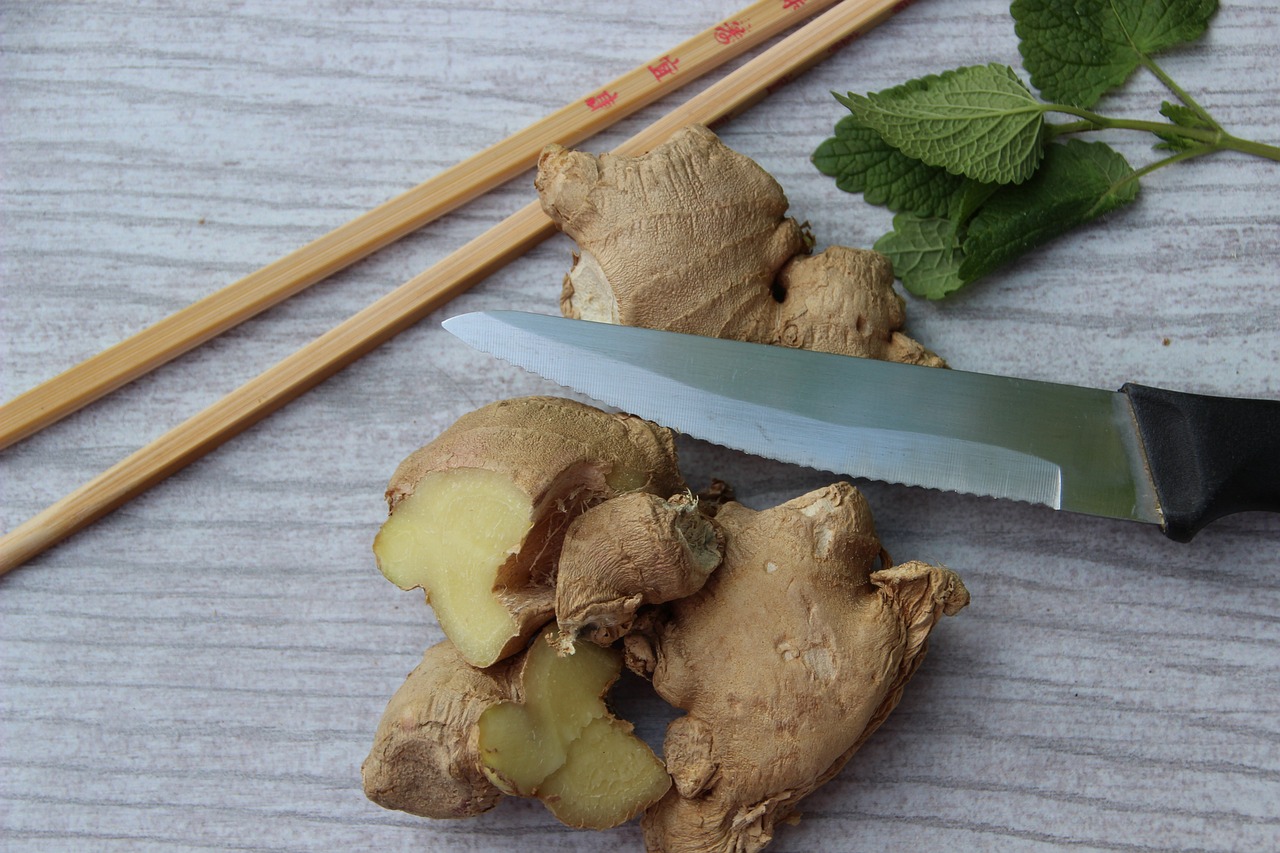
Herbal teas are among the simplest and most versatile remedies you can make at home. Chamomile tea, for instance, is well-known for its calming properties and can be a soothing remedy for insomnia and anxiety. Ginger tea is another powerful option, especially for alleviating nausea, reducing inflammation, and boosting immunity. To prepare these teas, steep fresh or dried herbs in hot water for about 10 minutes. Add honey or lemon for additional benefits and flavor. By experimenting with various combinations of herbs, you can create personalized blends tailored to your specific health goals.
Creating Homemade Balms for Skin Care
Homemade balms are an excellent remedy for treating dry skin, minor cuts, or even muscle pain. A basic balm recipe involves combining a carrier oil, such as coconut or olive oil, with beeswax to create a soothing ointment. For added benefits, you can infuse the oil with herbs like calendula or lavender, which are known for their anti-inflammatory and healing properties. Melt the beeswax and oil together, stir in essential oils if desired, and pour the mixture into small jars to cool. These balms are free from harmful additives and can be customized to suit various skin types and needs.
Crafting Natural Remedies for Respiratory Health
During the cold and flu season, natural remedies can provide relief from congestion and sore throats. A simple steam inhalation using eucalyptus or peppermint essential oil can clear nasal passages and improve breathing. For sore throats, gargling with a mixture of warm water, salt, and a teaspoon of apple cider vinegar is a time-tested remedy. Additionally, elderberry syrup is a powerful immune booster that can be made at home by simmering dried elderberries with water, honey, and cinnamon. Store this syrup in the refrigerator to use as needed during times of illness.
The Benefits of DIY Tinctures and Extracts
Tinctures are concentrated herbal extracts that can be made easily at home. These remedies are especially useful for chronic conditions requiring long-term support, such as anxiety, digestive issues, or hormonal imbalances. To make a tincture, fill a glass jar with dried herbs and cover them with a high-proof alcohol like vodka. Let the mixture steep for 4-6 weeks, shaking it occasionally. Once strained, store the liquid in dark bottles with droppers for easy use. Tinctures are potent and should be used in small doses, typically 10-15 drops diluted in water.
Personalizing Your Natural Remedy Kit
Building a natural remedy kit tailored to your lifestyle is a great way to be prepared for common health concerns. Include essentials like dried herbs for teas, carrier oils for balms, and basic ingredients like honey and apple cider vinegar. Over time, you can expand your kit with specialized items such as essential oils, clays for masks, or activated charcoal for detoxification. By keeping these ingredients on hand, you’ll always have a natural solution ready when the need arises.
Exploring the Healing Power of Nature
Making homemade natural remedies is an empowering way to take control of your health. The process of creating these remedies also fosters a deeper connection to nature and an appreciation for its healing properties. As you experiment with different recipes, you’ll develop a better understanding of which remedies work best for you and your family. Embracing natural remedies is not just about treating ailments but also about creating a lifestyle that prioritizes wellness and sustainability.